Miniature-1
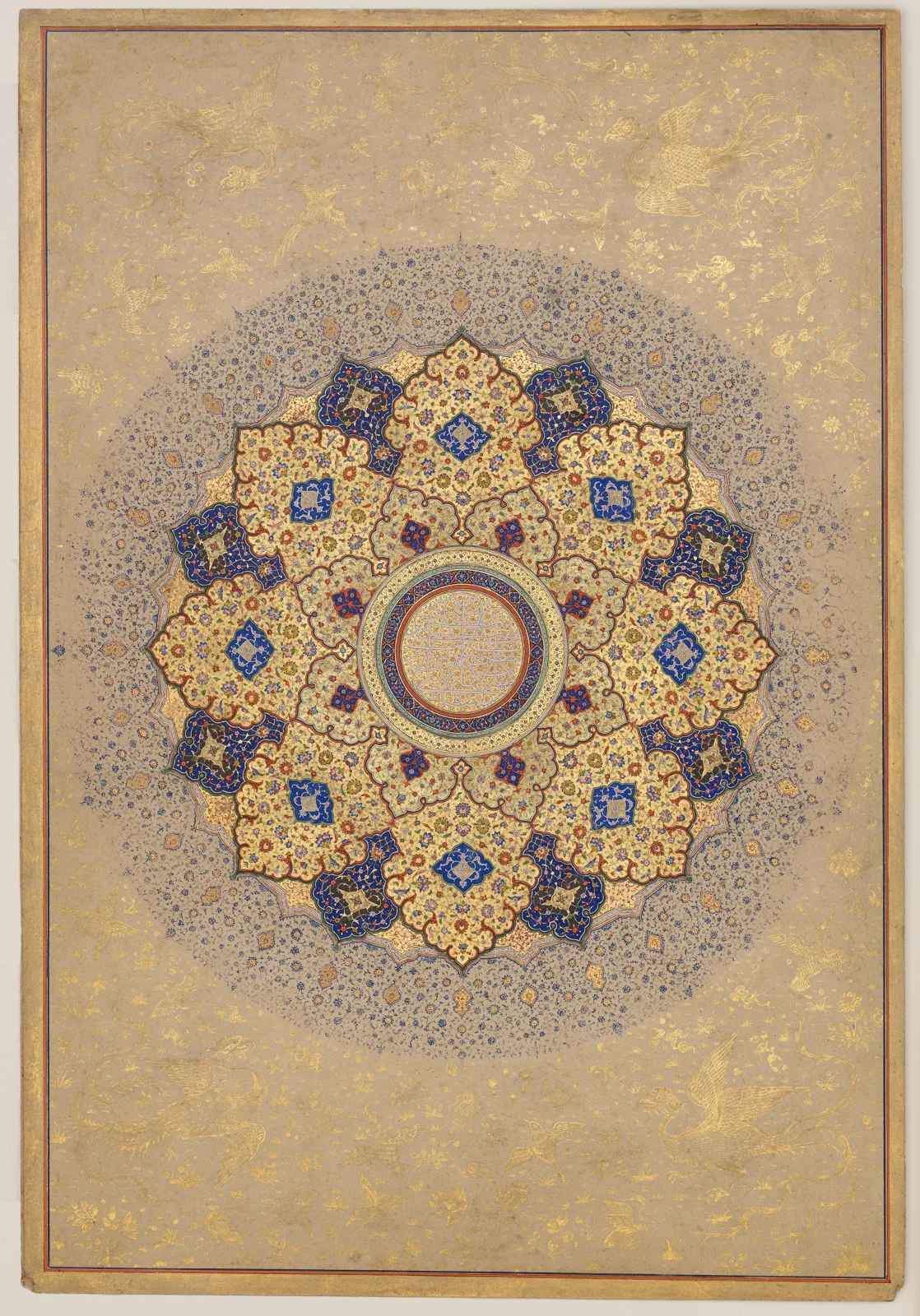
This course introduces the traditional craft and visual language of miniature painting. Students learn historical foundations, surface preparation, drawing methods, brush control, color application, pattern making, and the stylistic rules of Mughal, Persian, and regional miniature traditions.
- Understand the history, aesthetics, and cultural context of miniature painting.
- Prepare traditional painting surfaces using wasli techniques.
- Develop precise drawing and brush-handling skills for miniature work.
- Apply color layering, patterning, and detailing techniques.
- Create original miniature compositions following classical methods.
The whole semester.
- 01Introduction to Miniature Painting Traditions
- 02History: Mughal, Persian & Regional Schools
- 03Understanding Miniature Aesthetics
- 04Tools, Brushes & Materials
- 05Wasli Paper Preparation
- 06Drawing Outlines & Proportions
- 07Traditional Linework Techniques
- 08 · MidtermColor Mixing & Layering
- 09Fine Brush Detail & Pattern Rendering
- 10Motifs: Floral, Geometric & Ornamental
- 11Iconography & Symbolic Elements
- 12Narrative Scene Composition
- 13Gold, Burnishing & Surface Enhancement
- 14Contemporary Miniature Practices
- 15Studio Practice & Process Refinement
- 16Final Miniature Painting Project
Midterm around session 8. Final project briefed at session 8 or 9 and developed in stages until the juries.
Students will pick one theme (e.g., “identity,” “time,” “home,” “consumerism,” “silence vs noise”) and express it through any 6 different art forms.
Deliverables (example set of 6)
Drawing (line + structure study)
Painting (style/technique exploration)
Relief or small 3D sculpture (materiality + space)
Printmaking (linocut/monoprint/drypoint—one edition of 3–5)
Photography (3–5 photos as a mini-series)
Digital/New Media (loop animation, glitch art, AR filter mock, or digital collage)
- Drawing Techniques in Miniature ArtExplains outlines, proportions, and detailed line work.
- Color Application & Layering in Miniature PaintingShows color mixing, layering, and fine brush application.
- Creating a Traditional Miniature CompositionShows layout planning, narrative scenes, and finishing stages.
| Abstract & Impressionist Painting | This course explores Impressionist and Abstract painting traditions through color, gesture, texture, light, and expressive mark-making. |
| Advanced Cloth Figure Painting | Drawing the nude is a challenge; dressing it is an art form. This advanced course focuses on the complex relationship between the human form and drapery. |
| Advanced Figure Drawing | This course advances observational and anatomical figure drawing skills. Students study complex poses, skeletal and muscular structure, dynamic movement, foreshortening, expressive mark-making, and refined rendering to develop mastery in depicting the human form. |
| Advanced Landscape Painting | The landscape is a challenge of light, atmosphere, and vastness. This advanced course moves beyond the "Blue Sky, Green Grass" formula. |
| Advanced Materials | In the world of 3D, a model is only as good as its surface. This course explores "Look Development" (LookDev) and the creation of photorealistic digital materials. |
| Advanced Mold Making Techniques | This technical course is the bridge between a unique sculpture and mass production. Students will explore the science of replication, learning to create complex molds for sculpture, product design, and prototyping. |