Typography
This course explores typography as a core element of visual communication. Students study the evolution of type, anatomy, classification, hierarchy, grids, legibility, and readability. The course also examines experimental and digital typography, including motion, web, and postmodern practices, supported by real-world case studies and applied design exercises.
- Explain the historical development and functional role of typography.
- Analyze letterforms, typographic anatomy, and typeface classifications.
- Apply grids, spacing, and hierarchy to create readable layouts.
- Evaluate legibility, readability, and typographic measurement in design.
- Create expressive typographic compositions for print, screen, and motion contexts.
The whole semester.
- 01Evolution and History of Typography
- 02Understanding Typographic Syntax
- 03Typographic Space and Visual Hierarchy
- 04Anatomy of Type and Letterform Analysis
- 05Classification of Typefaces
- 06Functions of Typography in Communication
- 07Typographic Grids and Layout Systems
- 08 · MidtermTypographic Technology and Measurement
- 09Legibility, Readability, and Character Recognition
- 10Rules of Typesetting and Copy Fitting
- 11Manipulating Space and Breaking Typographic Rules
- 12Textural, Tabular, and Experimental Layouts
- 13Case Studies in Typographic Design
- 14Branding, Identity Systems, and NASA Visual Identity
- 15Typography in Print, Web, Film Titles, and Motion
- 16Postmodern Typography, Deconstruction, and New Trends
Midterm around session 8. Final project briefed at session 8 or 9 and developed in stages until the juries.
Rebrand a Pakistani brand
of your choice.
- Create Two Custom
Typefaces
- Design a unique English
Typeface reflecting the
brand's personality.
- Develop a
complementary Urdu
Typeface ensuring cultural
sensitivity and readability.
- Sketch, digitize, and refine
both typefaces.
- Ensure harmony between the
two scripts.
- Brand Logo Design: Design a new logo for the
brand using the custom
typefaces.
Use the custom typefaces and
logo to create a cohesive
identity for the brand.
- Corporate Identity: Develop branding assets
including business cards,
letterheads, and envelopes.
Use the custom typefaces and
logo to create a cohesive
identity for the brand.
- Packaging Design: Redesign packaging for
the chosen brand.
Design visually engaging
packaging that highlights the
logo, typefaces, and brand
identity.
5.Poster Design Develop a poster for the
brand’s relaunch.
Create a bold, bilingual
(English and Urdu) poster that
reinforces the brand message
and utilizes custom typefaces
effectively.
- Typography Basics – Anatomy, Classification & SyntaxExplains type anatomy, letterforms, classification, and typographic syntax.
- Typographic Hierarchy, Grids & Layout SystemsCovers hierarchy, grids, spacing, and structured typographic layouts.
- Legibility vs Readability in TypographyExplains character recognition, measurement, legibility, and readability principles.
- Experimental & Postmodern TypographyCovers breaking rules, deconstruction, textural layouts, and postmodern typography.
- Typography in Digital Media, Motion & BrandingCovers web typography, kinetic type, film titles, branding, and identity systems.
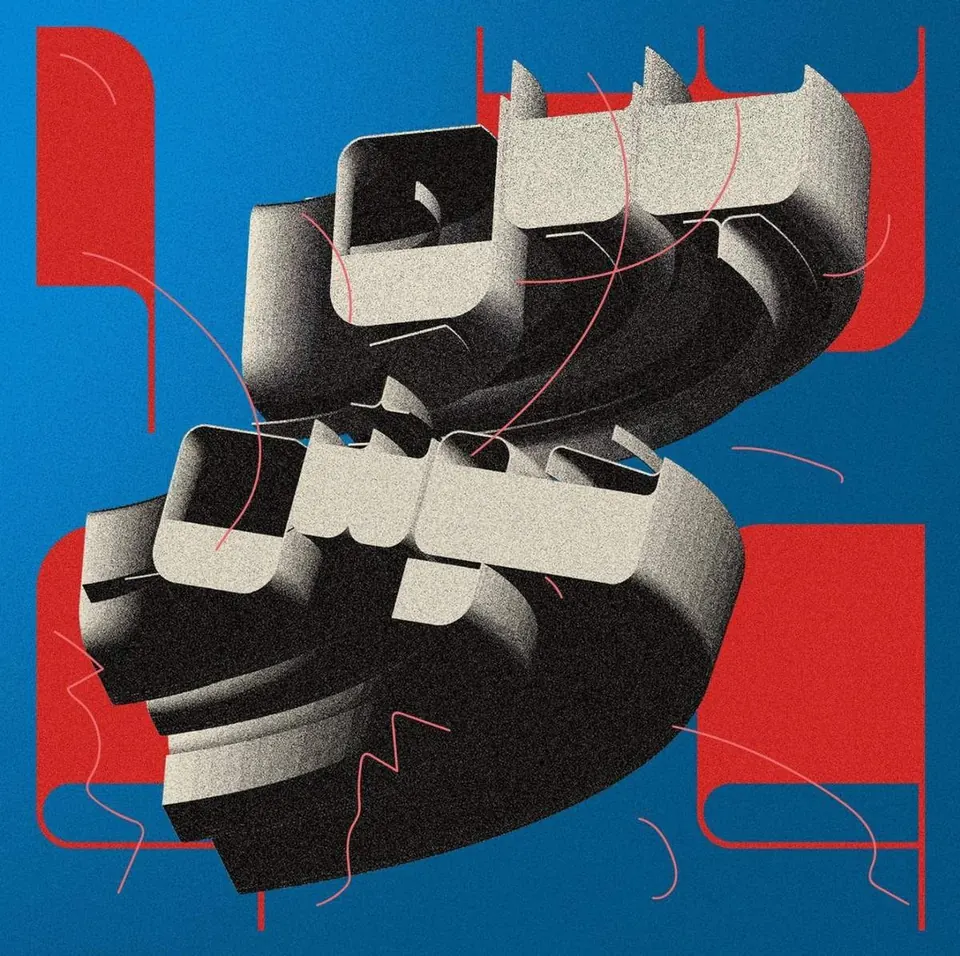
| Abstract Motion Design | Animation is not always about characters; sometimes it is about pure form, color, and rhythm. This studio course explores Abstract Expressionism in motion. |
| Advanced Digital Imaging Techniques | This course pushes the boundaries of pixel manipulation. Moving beyond basic photo editing, students will master high-end compositing, retouching, and restoration workflows used in advertising and fashion. |
| Advanced Digital Printing and Output | The screen is not the final destination; the print is. This course revives the art of the physical photograph. |
| Advanced Illustration (MS elective) | This capstone-level course pushes students to find their unique artistic voice and apply it to complex professional challenges. |
| Advanced Illustrations | This course explores advanced illustration techniques through research, anatomy, character development, expressive portraiture, genre-based visuals, book illustration, and professional presentation. |
| Anime & Manga-Inspired Design | This course explores the distinctive aesthetic of Japanese animation and comics, teaching students how to adapt this globally popular style for commercial illustration and character design. |