Illustrations & Story Telling Diploma
- Duration
- 1 year
- Semesters
- 2
- Credit hours
- 30
- Where
- Salim Habib University · KIET · Aga Khan Board for Southern Region · Aga Khan Economic & Planning Board for Pakistan
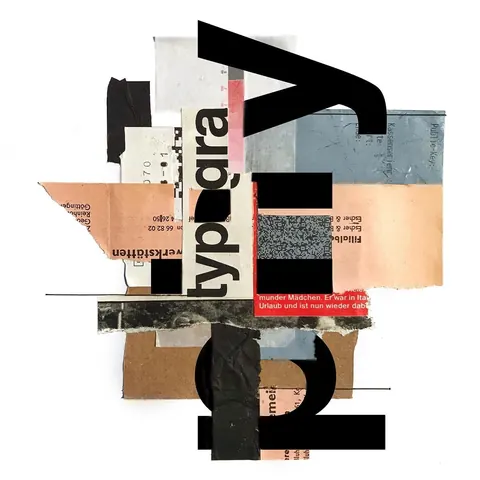
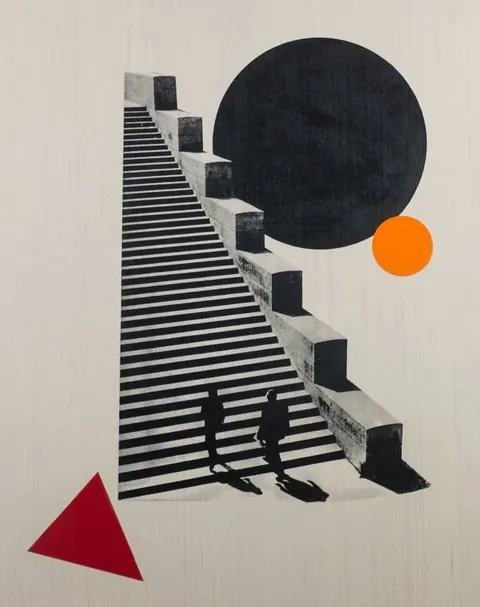
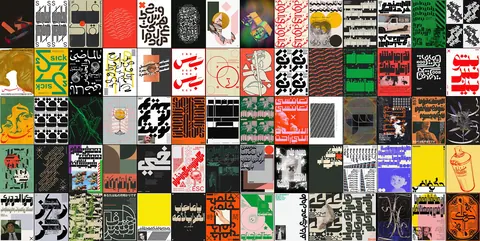
Character design, sequential storytelling and children’s book illustration, traditional and digital, ending in a professional portfolio.
Who can apply
Matric, O-level or equivalent.
2 semesters, 30 credit hours.
Underlined courses open their full session-by-session plan in the course library. Plain courses are taught but their outline isn’t published yet. Grey entries are university requirements (English, electives, projects, internship) chosen or set each semester.
- Still Life Drawing
- Digital Illustrations
- Storyboarding
- Mix Media Drawing & Painting
- Advanced Illustrations
- Figure Drawing
- Digital Image Manipulation
- Mixed Media
- Dynamic Figure Drawing
- Perspective Drawing
Where it leads.
The roles this programme prepares you for, how each one usually progresses, and a full profile of the work. At this level you’ll be ready for junior and assistant roles, and freelance work; further study opens the senior routes.
| Illustrator | Illustrators draw images for books, editorial, brands, packaging, games and animation, in a recognisable style clients hire them for. |
| Storyboard Artist | Storyboard artists draw the shots of a film, ad or animation in order, so directors can plan before they shoot or animate. |
| Graphic Designer | Graphic designers turn messages into things people see: logos, layouts, campaigns, packaging, social posts and signage. |
| Brand Identity Designer | Identity designers create the systems that make a brand recognisable: names, logos, type, colour, motion and the rules that hold it together. |
| Art Director | Art directors decide how campaigns, shoots and productions look, and lead the designers, photographers and illustrators who make them. |
| Packaging Designer | Packaging designers design what products come in: the structure, the graphics and how a pack stands out on a crowded shelf. |
Keep studying
Nothing is accepted without the process behind it.
- Final project announced mid-semester, after the midterm.
- Developed in stages under your teacher: concept, drafts, iterations, execution.
- Internal jury: a full mock defence with faculty.
- Pasting day: your work is mounted or screened for review.
- External jury of working professionals, at least two per course, holding the final 40 marks.
Where this sits.
- 01Certificate4 months
- 02Diploma+ 6 months · 10 months total
- 03Associate Degree+ 1 year · 1 yr 10 mo total
- 04Bachelor’s+ 2 years · 3 yrs 10 mo total
- 05Postgraduate Diploma+ 1 year · 4 yrs 10 mo total
- 06Master’s+ 1 year · 5 yrs 10 mo total
Each step counts the credits you already hold, so a step takes less time than the programme on its own: a 1-year diploma takes about 6 more months after a certificate, a 4-year bachelor’s about 2 more years after an associate degree. Climbing every rung takes about 5 years 10 months, a few months more than a bachelor’s and a master’s taken back to back (about 5½ years). The point isn’t speed: you can stop at any rung with a recognised qualification, work, and come back for the next.
How long is the Illustrations & Story Telling Diploma?
1 year, over 2 semesters, for 30 credit hours.
Who can apply?
Matric, O-level or equivalent.
Where is it taught?
At Salim Habib University, KIET and the Aga Khan Board for Southern Region and Economic & Planning Board. The programme is designed and run by PGA with each partner.
How is work assessed?
Every course ends with a final project developed in stages under a teacher, then defended before an internal jury and an external jury of working industry professionals. The external jury holds the final 40 marks.
What jobs does it lead to?
Graduates work as illustrator, storyboard artist, graphic designer, brand identity designer, art director, packaging designer, among other roles, in studios, agencies, media companies and their own businesses.
Can I continue to the next level?
Yes. Credits carry up the Level Up ladder, from certificate to master’s, so each step is shorter than the programme on its own (a diploma takes about 6 more months after a certificate). You can stop at any rung with a recognised qualification.