Level Up
A continuous path from a four-month certificate to a master’s, with credits carried forward so you can stop at any rung with a qualification and come back later.
Not everyone can commit to four years at once. Level Up lets a student start with a four-month certificate and keep going: diploma, associate degree, bachelor’s, postgraduate diploma and master’s, with credits from each stage counting toward the next.
Each step counts the credits you already hold, so it takes less time than the programme would on its own. A diploma is a one-year, 30-credit programme, but the certificate’s 12 credits count toward it, so it takes about six more months. An associate degree takes about a year more after a diploma, and a bachelor’s about two years more after an associate degree.
Climbing every rung, certificate to master’s, takes about 5 years 10 months. That’s a few months longer than a bachelor’s and a master’s taken back to back (about 5½ years), so Level Up isn’t a shortcut. Its value is flexibility: students can stop at any rung with a recognised qualification, work for a while, and come back. It also opens the door to people without the usual entry route, since certificates and diplomas accept matric or O-level students.
The ladder
- Certificate
- 4 months, 12 credit hours. Matric or O-level. Running total: 4 months.
- Diploma
- A 1-year, 30-credit programme; about 6 more months with certificate credits. Running total: about 10 months.
- Associate degree
- A 2-year degree (63 to 67 credits); about 1 more year after a diploma. Running total: about 1 year 10 months.
- Bachelor’s
- A 4-year BS or BFA (135 credits); about 2 more years after an associate degree. Running total: about 3 years 10 months.
- Postgraduate diploma
- 1 year, 30 credits, for graduates. Running total: about 4 years 10 months.
- Master’s
- An MS is 42 credits over at least 1½ years; about 1 more year after a PGD. Running total: about 5 years 10 months.
The rest of the PGA model
 | Industry-Responsive Curriculum | Courses revised continuously from three inputs: industry advisers, alumni in their first jobs, and the tools studios are adopting. |
 | Two-Tier Juries | Every final project defended twice: to faculty at an internal jury, then to working professionals at an external jury. |
 | Mentorship & Feedback Loop | Faculty mentor students through every stage of the final project, so the work improves before industry sees it. |
 | Immersive Learning | Learning outside the classroom: studios, broadcasters, galleries, presses, live shoots, workshops, competitions and community work. |
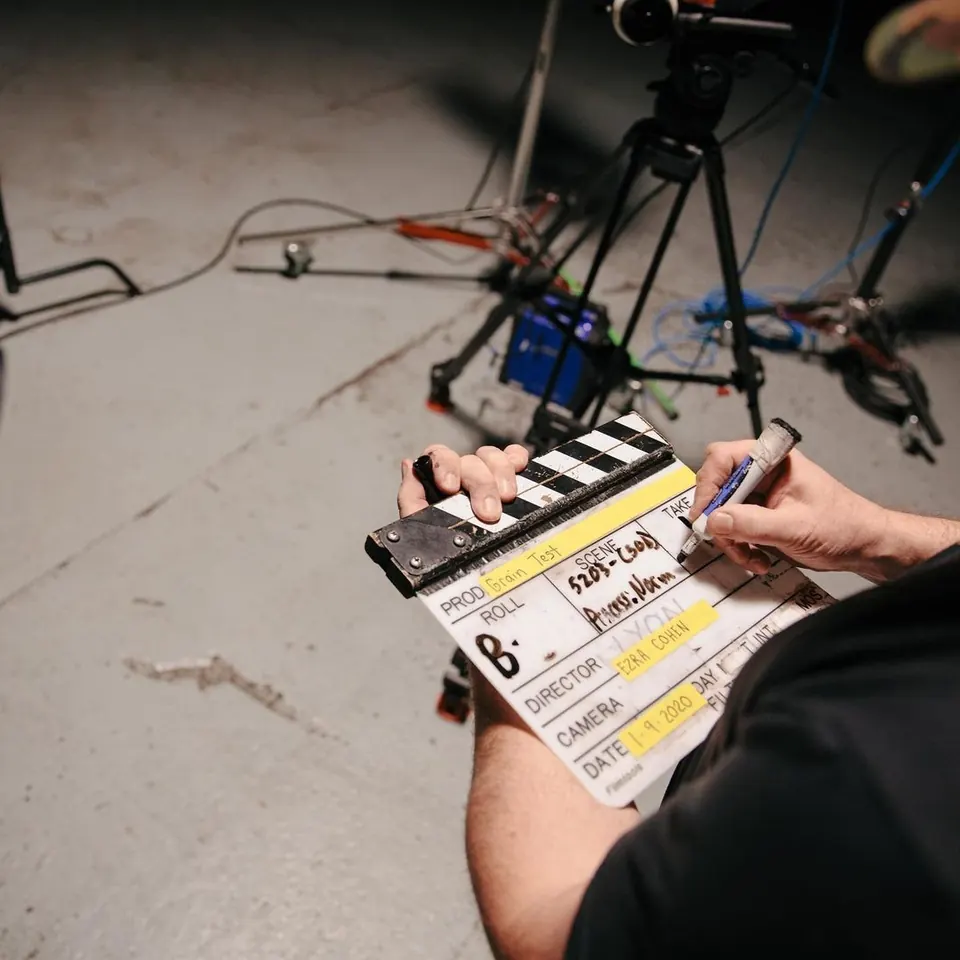 | Industry-Based Projects | Coursework built on real briefs from industry partners, judged by the people who wrote them. |
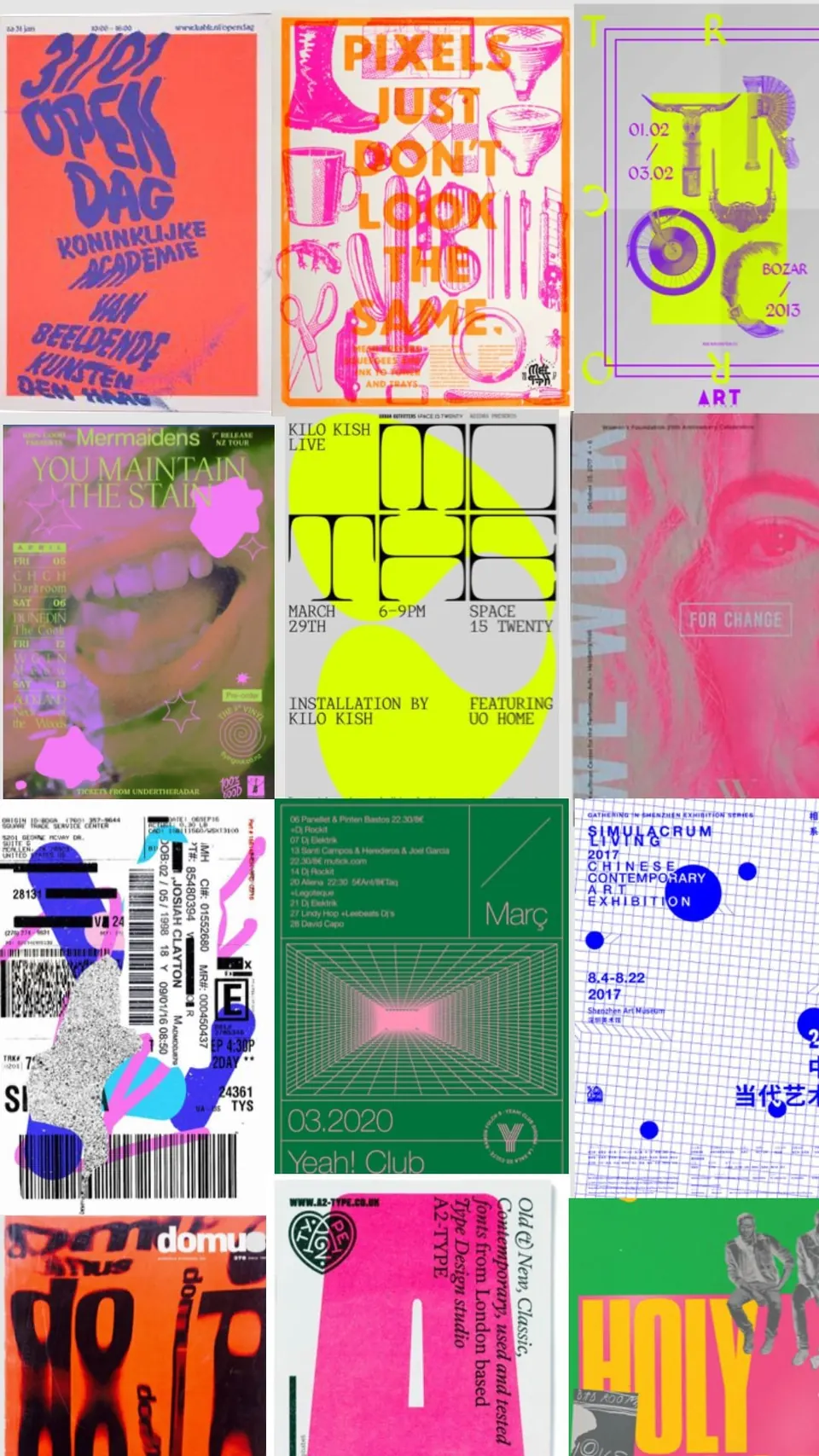 | Brand Activations | Students are assigned real brands and graded on pre-launch, launch and post-launch work by the brands’ own managers. |
 | Creative Arts Fest | An entrepreneurial festival where students set up stalls, sell what they make and host other universities. |
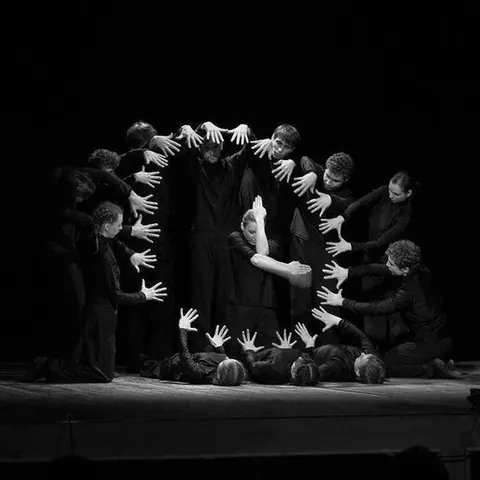 | Annual Function & Societies | A showcase run entirely by students, from art direction and set design to theatre, marketing and sponsorship. |
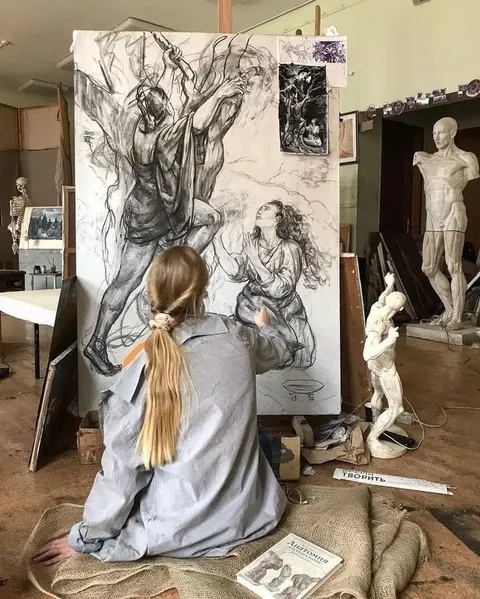 | Professional Instructor Programme | Industry professionals trained to teach and mentor, so students learn from people who do the work. |